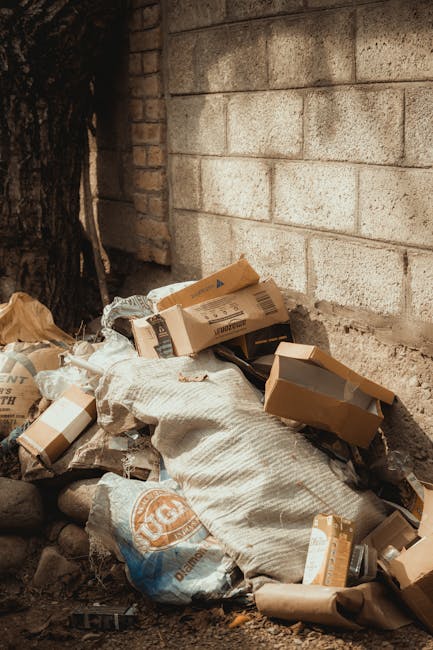
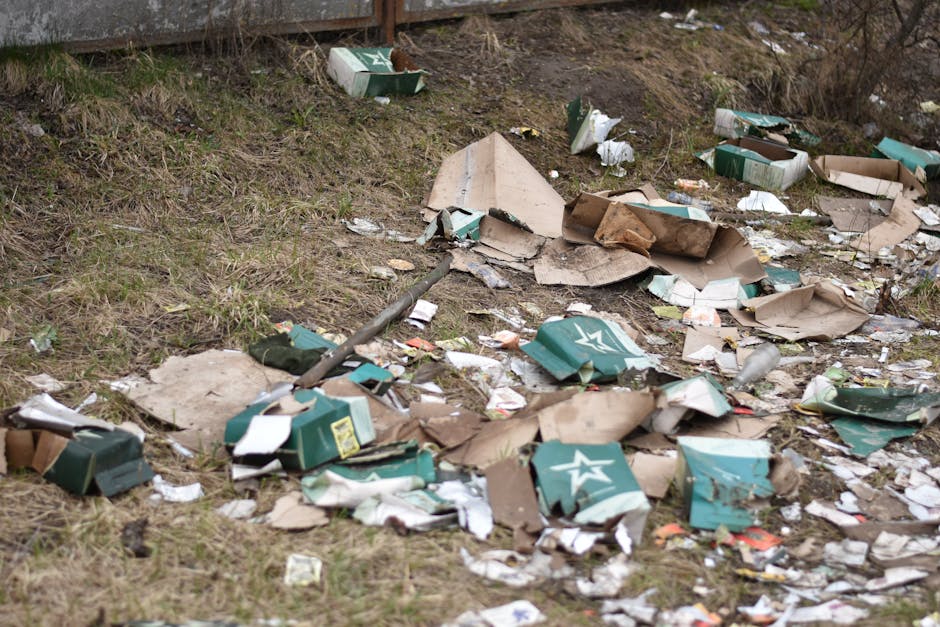
Wimbledon rubbish removal for estates and landlords SW19
If you manage rental properties, apartment blocks, or shared estates in Wimbledon, rubbish can become a full-time headache fast. One skipped collection, one tenant move-out, or one messy communal bin area can snowball into complaints, pest worries, and avoidable costs. This guide to Wimbledon rubbish removal for estates and landlords SW19 explains how professional clearance works, what to expect, and how to keep common areas tidy without turning every issue into an emergency. It is written for people who need practical answers, not fluff.
Truth be told, estate and landlord waste is rarely just "rubbish". It is often a mix of old furniture, broken appliances, garden cuttings, end-of-tenancy leftovers, builder's debris, and general bulky waste that regular refuse services simply will not take in one go. The good news? With the right process, you can keep things moving smoothly, protect your reputation, and avoid those awkward messages from residents at 7:45 on a Monday morning.
Contents
- Why Wimbledon rubbish removal for estates and landlords SW19 matters
- How Wimbledon rubbish removal for estates and landlords SW19 works
- Key benefits and practical advantages
- Who this is for and when it makes sense
- Step-by-step guidance
- Expert tips for better results
- Common mistakes to avoid
- Tools, resources and recommendations
- Law, compliance, standards, or best practice
- Options, methods, or comparison table
- Case study or real-world example
- Practical checklist
- Conclusion
- Frequently asked questions
Why Wimbledon rubbish removal for estates and landlords SW19 Matters
In a place like Wimbledon, where residential streets, converted flats, managed estates, and mixed-use buildings sit close together, waste builds up quickly and becomes visible just as quickly. A single overflow at the wrong time can affect the whole block. Bags left beside bins attract more bags. A sofa dumped by the service yard tends to stay there longer than anyone would like. And once residents think a building is poorly managed, they notice everything.
For landlords, the issue is not only appearance. Leftover tenant waste can slow re-let timelines, create safety issues for contractors, and lead to extra labour for caretakers or building managers. For estates, bulky items and mixed waste can block access routes, create trip hazards, and make routine cleaning harder. That is before you even get to the smell on a warm day. Nobody needs that.
Professional rubbish removal helps bring order back to a property, especially when the waste is too much for a normal bin lift or too awkward for residents to handle themselves. It is also useful when you need one-off support after a tenancy change, refurbishment, void property clearance, or a periodic communal tidy-up.
Expert summary: For landlords and estate managers, rubbish removal is not just about "getting rid of stuff". It is about keeping turnover smooth, reducing complaints, protecting shared spaces, and avoiding a small problem becoming a recurring one.
There is also a broader reputational point. In a competitive rental market, presentation matters. A neat bin store, clear walkway, and clean service area quietly signal that the building is looked after. People do notice, even if they never say it out loud.
How Wimbledon rubbish removal for estates and landlords SW19 Works
The process is usually straightforward, but the details matter. A good clearance service should be able to handle mixed waste, bulky items, and the practical realities of working around residents, access codes, parking limits, and narrow stairwells. Not glamorous, but very real.
Typical process
- Assess the waste type and access. This may include communal bins, fly-tipped items, end-of-tenancy leftovers, or bulky furniture.
- Agree the collection scope. Clarify what is being removed, where it is stored, and whether there are any restrictions such as lift access or timed entry.
- Schedule the removal. For estates, timing is often arranged to minimise disruption to residents and site staff.
- Load and clear the items. This can include carrying items from flats, basements, gardens, garages, or bin stores.
- Sort and dispose responsibly. Waste should be separated where possible for reuse, recycling, or proper disposal.
- Leave the area tidy. That sounds obvious, but it makes a huge difference. A cleared area should look cleared.
Many landlords also combine rubbish clearance with other property tasks. For example, if a flat needs to be reset between tenants, it may make sense to book flat clearance, furniture disposal, or even house clearance if the property has been left heavily cluttered. That keeps the work joined up instead of piecemeal.
For mixed commercial-residential buildings, there is often a crossover with business waste or office clearance if the premises include management rooms, storage spaces, or small work areas. In practice, the right service is usually the one that can adapt to the building rather than forcing the building to fit the service.
Key Benefits and Practical Advantages
There are the obvious benefits, and then there are the quieter ones that really matter to landlords and estate teams.
- Faster turnaround between tenancies. A cleared property is easier to prepare, inspect, clean, and market.
- Better resident experience. Communal areas stay cleaner and easier to use.
- Reduced operational strain. Site staff and managing agents spend less time firefighting waste issues.
- Safer shared spaces. Fewer trip hazards, less obstruction, and less chance of blocked access routes.
- More predictable costs. One well-planned removal is often simpler than several rushed mini-jobs.
- Improved presentation. This matters for inspections, viewings, and general building reputation.
One practical advantage that gets overlooked: professional waste removal saves decision fatigue. If you are juggling tenants, repairs, and contractor schedules, the last thing you want is to spend an hour wondering whether a broken wardrobe can go in a normal collection or needs a separate pickup. It sounds small. It adds up.
For estate managers, regular support can also complement routine services like rubbish collection and waste collection, especially after holidays, move-outs, or seasonal maintenance work. If there is garden storage involved, you may also need garden clearance or garage clearance for communal or private overflow spaces.
Who This Is For and When It Makes Sense
This type of service is especially useful for:
- Private landlords managing one or more rental properties
- Letting agents dealing with end-of-tenancy clearances
- Estate managers responsible for shared bins, service yards, and access areas
- Block managers needing periodic bulky waste removal
- Property investors preparing a flat or house for sale or re-let
- Housing association teams working through voids or communal issues
- Concierge and caretaking staff who need practical support with bulky items
It makes sense when the waste is too much, too bulky, too mixed, or too awkward for residents or in-house staff to handle safely. It also makes sense when timing matters. A flat has to be made ready. A tenancy needs to complete. Contractors are due in at 8 a.m. and the hallway cannot be full of old shelves. You know the sort of day.
Landlords often call for help after an awkward exit. Estate managers tend to call when communal bins are overflowing or when a resident has left something unexpected in a shared area. Builders' leftovers, damaged furniture, old mattresses, bags of mixed junk - all common. If refurbishment is involved, builders waste support can be the cleaner answer than trying to squeeze rubble and offcuts into general waste streams.
Step-by-Step Guidance
If you want the process to be smooth, the planning is where the win happens. A rushed booking can still work, but a little preparation saves time and reduces hassle.
1. Walk the site first
Before booking, inspect the waste in person if possible. Check what needs removing, where it is stored, and whether any items are hidden in cupboards, lofts, basements, or garden corners. It is amazing how often there is "nothing much left" until the cupboard door opens.
2. Separate urgent from non-urgent items
Sort items that block access, smell, or pose safety risks from general clutter. A clear priority list helps the removal team work efficiently. It also helps you avoid paying for a full-scale collection when only part of the waste is causing the issue.
3. Note access and parking constraints
In Wimbledon, access can be the difference between a smooth job and a frustrating one. Tell the team about stairs, narrow corridors, timed entry, permit requirements, lifts, loading bays, or key fob access. Nothing derails a job like finding the service entrance locked.
4. Identify item categories
List bulky furniture, white goods, bagged rubbish, garden waste, and any awkward items separately. That helps with planning, sorting, and disposal. If you have furniture that is still usable, mention that too; sometimes it can affect how the job is approached.
5. Choose the right service type
Not every job is the same. Some properties only need general rubbish removal, while others need a wider waste removal approach or a full waste clearance. If you have sofas, mattresses, wardrobes, or other bulky items, a dedicated sofa removal or furniture-focused option may be better.
6. Confirm the end goal
Do you want the space fully emptied, just the bulky items gone, or a tidy-up ready for cleaners or contractors? That one question avoids a lot of misunderstanding. Clear expectations make better results. Simple, really.
7. Check the area after the job
Once the removal is done, inspect the space properly. Look at corners, behind bins, under shelving, and in shared passageways. On a busy site, one leftover bag can become the next resident complaint. Better to catch it straight away.
Expert Tips for Better Results
After dealing with enough clearances, a few patterns become obvious. These are the habits that tend to save landlords and estate managers time, money, and a bit of stress.
- Bundle the work where it makes sense. If a flat is being reset, combine rubbish removal with furniture disposal rather than booking separate visits.
- Use the quietest access window available. Early morning or mid-morning can be easier for shared buildings, depending on resident routines.
- Label what is staying. In void properties, mark anything that should not be removed. It sounds basic, but it avoids expensive mistakes.
- Photograph the before and after. This is useful for internal records, tenant disputes, and contractor handover.
- Keep a repeat plan for estates. If the same bin store keeps filling up, a regular schedule may be better than ad hoc calls.
- Be honest about access issues. Teams can plan around awkward stairs or limited parking, but only if they know beforehand.
A small but useful tip: if you are dealing with a property that has been left half-cleared, decide early whether you want a sweep-through or a deeper emptying. A half-job is often the most annoying kind. It looks close to finished, but it is not quite there. That is the sort of detail people remember.
Common Mistakes to Avoid
Most waste problems are not dramatic. They are just awkward, repeated, and avoidable.
- Leaving waste to "build up a bit more". This usually makes access harder and complaints more likely.
- Assuming all rubbish can go in one bin lift. Bulky and mixed waste often needs a different approach.
- Forgetting about access. Parking, lifts, and entry codes matter more than people think.
- Mixing hazardous items with general waste. Some items need special handling, so do not bury the issue.
- Not checking communal areas afterwards. A missed corner or side alley can undo the tidy result.
- Booking too late in a tenancy cycle. The later you leave it, the more likely it clashes with cleaners, viewings, or repairs.
There is also a subtle mistake landlords make: treating rubbish removal as a one-off chore instead of part of property management. If the same building keeps generating waste issues, the real problem may be storage, resident behaviour, or poor coordination. Fix the pattern, not just the pile.
Tools, Resources and Recommendations
You do not need specialist kit to start managing waste better, but a few simple tools help keep things organised.
- Photo records for before-and-after evidence
- Access notes for keys, fobs, loading bays, and parking arrangements
- Room or area labels for voids, storage spaces, and refurbishment zones
- Short waste logs to record recurring issues in estate bin stores
- Tenant move-out checklists so leftover items are identified early
For larger clearouts, it can be helpful to think in terms of service type rather than item type. If the issue is mostly domestic clutter, home clearance or house clearance may fit. If it is mainly broken household items, furniture disposal can be the most direct route. If the whole property is full, the broader rubbish clearance option is often the simplest way to think about it.
And if you are still comparing what kind of support you need, it can help to review the provider's about us page to understand how they work, plus the terms and conditions and privacy policy if you are handling resident or tenant data during booking. Not glamorous reading, I know. But useful.
Law, Compliance, Standards, or Best Practice
Waste handling in the UK sits inside a practical framework of duty, care, and responsible disposal. For landlords and estate managers, the key point is simple: if you arrange the removal, you should be confident the waste is handled properly. You do not want surprises later.
In everyday terms, that means:
- making sure waste is not left obstructing communal access routes
- separating items where sensible before collection
- being careful with anything that might be hazardous, sharp, contaminated, or liquid-filled
- using a provider that can explain how materials are managed after pickup
- keeping records where they are useful for internal management
For estates, best practice is often about consistency. A tidy bin store today is good. A tidy bin store next month, after another tenant move-out and another round of packaging waste, is better. For landlords, the practical aim is to protect the property and avoid disputes by documenting condition before and after clearance.
If you are dealing with rubbish that includes building debris, refurbishment leftovers, or strip-out material, builders waste handling should be treated separately from ordinary household rubbish. That distinction matters because it helps prevent mix-ups and keeps disposal practical. Similarly, if the waste comes from a business unit or management office, business waste and office clearance may be more suitable than a domestic-only approach.
Best practice is not about being perfect. It is about being organised, careful, and reasonable. That alone puts you ahead of a lot of chaotic properties, to be fair.
Options, Methods, or Comparison Table
Different waste problems call for different solutions. Here is a practical comparison that can help landlords and estate managers decide faster.
| Method | Best for | Strengths | Limitations |
|---|---|---|---|
| Ad hoc bin use | Small household waste volumes | Simple, familiar, low effort | Poor fit for bulky items, overflow, and shared-space issues |
| Regular scheduled collection | Ongoing communal waste | Predictable and tidy when volumes are stable | Can struggle with one-off spikes or large clearouts |
| One-off rubbish removal | Move-outs, voids, fly-tips, bulky waste | Fast, flexible, practical | Needs clear instructions and access planning |
| Full property clearance | Heavily cluttered flats or houses | Comprehensive and efficient | Can be more involved than a simple collection |
| Targeted item removal | Sofas, furniture, individual bulky items | Ideal when one item is causing the issue | Not always enough for mixed or layered waste |
If you are unsure which route fits, start with the actual problem, not the property type. A flat with one broken sofa may need a simple removal. A flat with years of mixed belongings and rubbish may need a much broader approach. That difference saves money and time.
Case Study or Real-World Example
Here is a realistic example. A landlord in SW19 has a one-bedroom flat returned at the end of a tenancy. The tenant has left behind a wardrobe, two bags of general waste, some kitchen items, and a mattress in the hallway. The cleaner cannot start until the space is cleared, and the letting agent wants new photos taken before the afternoon.
Rather than trying to tackle the problem in bits and pieces, the landlord books a single clearance visit. The team arrives with the access details, removes the bulky furniture, takes the waste, and leaves the flat ready for cleaning. The whole process is easier because the task is defined clearly from the start.
Now compare that to the alternative: the landlord tries to dispose of some items separately, leaves the mattress until later, and asks the cleaner to work around it. What happens? Delays, extra calls, and one very annoyed afternoon. Nobody enjoys those.
Another common scenario is a managed estate with a recurring bin store issue. Residents place old chairs, cardboard, and broken household items beside the bins, then the area stays cluttered for days. A periodic rubbish clearance can reset the space, while better signage and resident reminders reduce the same problem coming back. It is rarely one magic fix. Usually it is a combination of removal plus habits.
Practical Checklist
Use this quick checklist before arranging a clearance.
- Have I identified exactly what needs removing?
- Do I know whether the waste is domestic, bulky, garden, or builders' material?
- Is access clear for the team?
- Have I noted stairs, lifts, parking, and entry instructions?
- Are any items staying behind clearly marked?
- Have I checked for anything hazardous or unusual?
- Do I need a full clearance or just a targeted item removal?
- Have I planned for cleaning, inspection, or re-letting after removal?
- Do I need photo records before and after?
- Will the job help resolve a wider estate or tenancy issue?
If you can answer those cleanly, the job usually goes much more smoothly. A little prep saves a lot of back-and-forth later.
Conclusion
Wimbledon rubbish removal for estates and landlords SW19 is really about control, presentation, and peace of mind. Whether you are dealing with one left-behind sofa or a whole set of communal waste issues, the right approach keeps properties easier to manage and less stressful to hand over. The key is to plan ahead, choose the right type of clearance, and keep access details and expectations clear from the outset.
For landlords, that means quicker void turnaround and fewer awkward surprises. For estate managers, it means cleaner shared spaces and fewer complaints. For everyone involved, it means one less mess hanging around. And honestly, that can make a big difference on a wet Wimbledon afternoon when the bins are full and the stairwell is already a bit tight.
Get a free quote today and see how much you can save.
If you are ready to sort a property, a bin store, or a bulky waste issue properly, the next step is simply to get the details together and move it off your list. Small job, big relief.
Frequently Asked Questions
What counts as rubbish removal for landlords in Wimbledon?
It usually includes bulky items, left-behind tenant waste, mixed household rubbish, furniture, and clearance from flats, houses, communal areas, or void properties. The exact scope depends on the property and the job.
Is rubbish removal suitable for estate bin stores?
Yes. It is often used when bin stores overflow with bulky waste, abandoned items, or mixed rubbish that ordinary collections will not take quickly enough.
Can one service handle both furniture and general waste?
Usually, yes. Many landlord jobs involve a mix of household clutter and bulky furniture, so combining them in one visit is often more efficient.
Do I need a full property clearance or just rubbish removal?
If the property is lightly cluttered or only has specific unwanted items, rubbish removal may be enough. If every room has items left behind, a full clearance is usually the better fit.
What should I tell the clearance team before the job?
Give them access instructions, parking details, what needs removing, what must stay, and whether there are stairs, lifts, or timed entry restrictions. The more precise you are, the smoother it goes.
Can rubbish removal help between tenancies?
Absolutely. End-of-tenancy clearances are one of the most common reasons landlords book waste removal, especially when a flat needs to be cleaned and re-let quickly.
Is garden waste included if the property has outdoor space?
It can be, but it is sensible to mention it separately so the right vehicle and loading plan can be arranged. For outdoor areas, garden clearance may be the best fit.
What if the rubbish includes builders' debris?
That should be flagged in advance. Builders' debris is different from general household waste, and a service such as builders waste is often more appropriate.
How do I avoid resident complaints during a clearance?
Book at a sensible time, keep access routes clear, communicate with residents if needed, and make sure the job is finished tidily. A quick heads-up often helps more than people expect.
Can clearance work be combined with sofa or furniture removal?
Yes, and that is often the most practical approach. If the main issue is one or two bulky items, sofa removal or furniture disposal may be enough.
What is the main benefit for estate managers?
The biggest benefit is control. Regular or one-off rubbish removal helps keep shared spaces usable, reduces complaints, and supports a cleaner, safer environment for residents and contractors.
Where can I find more information about the service provider?
You can review the site's about us page for background, and the terms and conditions for service expectations. That can be helpful before arranging a collection.